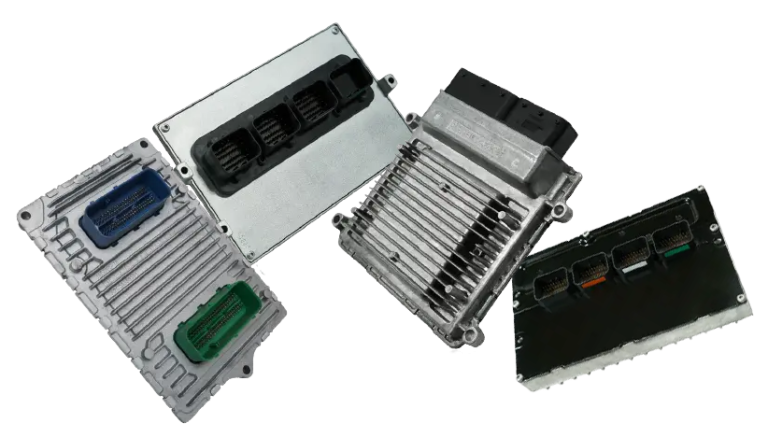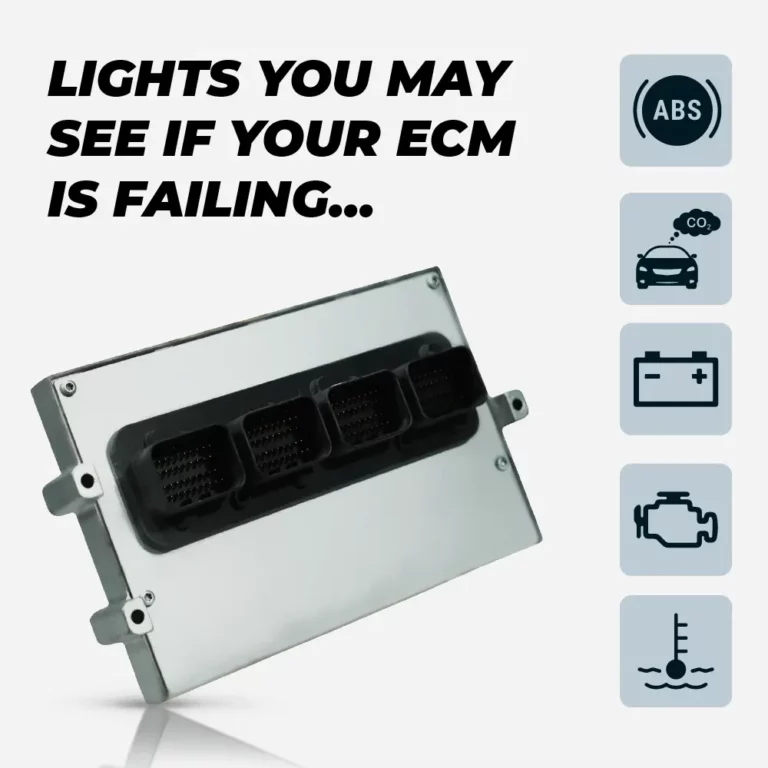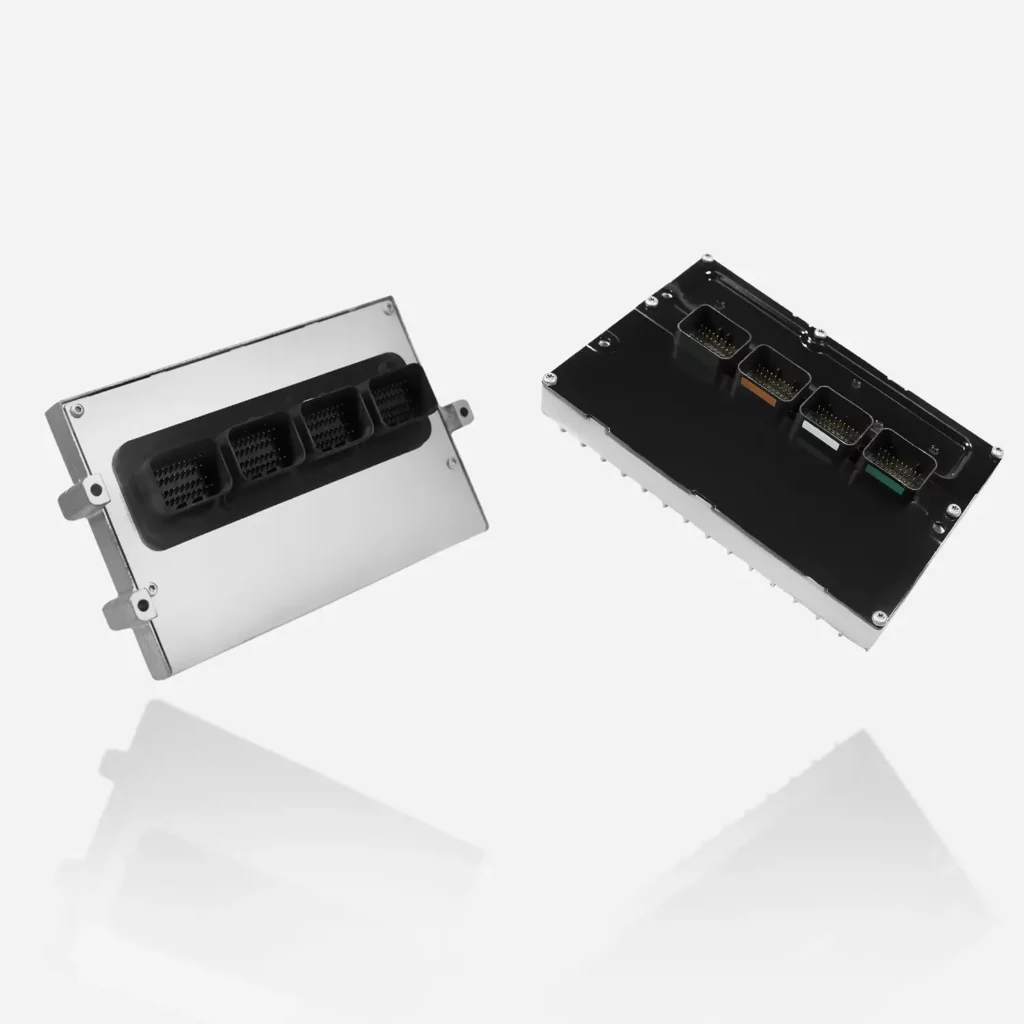
The Engine Control Module (ECM), also known as the Engine Control Unit (ECU) or Powertrain Control Module (PCM) in some Chrysler vehicles, is a critical component responsible for managing and controlling various functions related to the engine and, in some cases, the transmission. Here’s an overview of what the ECM controls:
Engine Management
- Fuel Injection:
- Controls the timing and amount of fuel injected into the engine cylinders to ensure optimal combustion.
- Ignition Timing:
- Manages the timing of spark plugs firing to ignite the air-fuel mixture in the engine cylinders.
- Air-Fuel Ratio:
- Monitors and adjusts the air-fuel mixture to maintain the ideal ratio for efficient combustion and emissions control.
- Idle Speed:
- Controls the engine idle speed to ensure smooth operation when the vehicle is stationary.
- Variable Valve Timing:
- Adjusts the timing of the opening and closing of engine valves to improve performance, fuel efficiency, and emissions.
Emissions Control
- Oxygen Sensors:
- Monitors and adjusts the air-fuel mixture based on feedback from oxygen sensors to reduce emissions.
- EGR (Exhaust Gas Recirculation):
- Controls the EGR system to reduce nitrogen oxide (NOx) emissions by recirculating a portion of the exhaust gases back into the engine cylinders.
- Catalytic Converter Monitoring:
- Ensures the catalytic converter is functioning properly to reduce harmful emissions.
Engine Performance and Efficiency
- Turbocharger/Supercharger Control:
- Manages the operation of turbochargers or superchargers to boost engine power and efficiency.
- Throttle Control:
- Controls the throttle position electronically (drive-by-wire systems) for precise engine response.
Transmission Control (in PCM-equipped vehicles)
- Shift Timing:
- Manages the timing of gear shifts in automatic transmissions to optimize performance and fuel efficiency.
- Torque Converter Clutch:
- Controls the torque converter clutch engagement to improve fuel economy and reduce transmission slippage.
Diagnostics and Monitoring
- Data Bus Communication Errors:
- Fault codes related to communication problems between the BCM and other control modules.
- Inability to communicate with the BCM during diagnostic scans.
Miscellaneous Electrical Issues
- Onboard Diagnostics (OBD-II):
- Monitors various engine and transmission parameters and stores diagnostic trouble codes (DTCs) when issues are detected.
- Sensor Monitoring:
- Continuously monitors inputs from various sensors (e.g., coolant temperature, intake air temperature, mass airflow) to ensure the engine operates within optimal parameters.
Safety and Protection
- Engine Protection:
- Implements protective measures such as reducing engine power or shutting down the engine in case of severe overheating, low oil pressure, or other critical issues.
- Limp Mode:
- Activates limp mode to limit engine power and speed when a serious problem is detected, allowing the vehicle to be driven to a repair facility safely.
Communication
- Data Bus Communication:
- Communicates with other control modules (e.g., Transmission Control Module, Body Control Module) to coordinate overall vehicle operation and ensure seamless integration of systems.
Miscellaneous Controls
- Cruise Control:
- Manages the cruise control system to maintain the set vehicle speed.
- Start/Stop System:
- Controls the engine start/stop system in vehicles equipped with this feature to improve fuel efficiency.
In summary, the ECM is a vital component that controls numerous aspects of the engine’s operation, ensuring optimal performance, fuel efficiency, and emissions control. It plays a crucial role in monitoring and adjusting various parameters in real-time to adapt to changing driving conditions and maintain the vehicle’s overall health and efficiency.